Tag Archives: WorkFromHome

A side-by-side comparison of a cluttered, rustic wooden tool shed next to a sleek, modern garden office with floor-to-ceiling glass doors and a finished interior.

From Storage to Studio: The Evolution of the Garden Shed Office

From Storage to Studio: The Evolution of the Garden Shed Office

The humble garden shed was once a place where lawnmowers went to rust and spiderwebs claimed dominion over stacks of terracotta pots. But over the last decade—and accelerated by a global shift toward flexible work—the shed has undergone a radical metamorphosis.

What was once a drafty storage box is now a high-tech, architecturally stunning “Shoffice” (Shed-Office). Here is how the backyard staple evolved from a place for tools to a sanctuary for productivity.


1. The Pre-Digital Era: The “Potting Shed”

Before the 21st century, the garden shed had a singular identity: utility. It was a masculine retreat for woodworking or a practical space for gardening. Comfort was an afterthought.

  • Materials: Uninsulated pine, single-pane glass, and dirt or plywood floors.
  • Climate Control: None (or a dangerous space heater).
  • Connectivity: A single extension cord if you were lucky.

2. The Creative Spark: The Writer’s Hut

The “Studio” concept actually predates the modern tech office. Famous creators like Roald Dahl and Virginia Woolf knew the value of a detached garden room long before Zoom calls existed. They sought “the shed” not for storage, but for solitude. This planted the seed that a backyard structure could be a place of intellectual output.

3. The 2020 Pivot: Necessity Drives Innovation

The COVID-19 pandemic turned the garden shed from a luxury into a lifeline. When kitchen tables became crowded and bedrooms became “cubicles,” the backyard offered the only remaining frontier for a commute-free workspace.

  • The DIY Boom: Homeowners began insulating, drywalling, and flooring their existing sheds.
  • The Professional Rise: A new industry of “Prefab Studios” emerged, offering modular, permit-ready offices that can be dropped into a backyard in a single day.

The Anatomy of the Modern Garden Studio

Today’s garden offices are a far cry from their ancestors. They often rival the main house in terms of design and technology.

FeatureOld School ShedModern Garden Studio
ConnectivityZero / Weak Wi-FiHardwired Fiber Optic / Mesh Systems
WallsRaw Timber / Exposed StudsFully Insulated / Plasterboard / Soundproofing
WindowsSmall / FixedFloor-to-ceiling Glass / Bi-fold Doors
PurposeStoring the MowerCoding, Therapy, Art, or Video Production

Why the “Shed Office” is Here to Stay

The evolution isn’t just about aesthetics; it’s about the psychology of work.

  • The Physical Commute: Walking 20 feet across a lawn provides a vital mental “boundary” between home life and work life.
  • Biophilic Design: Working surrounded by greenery reduces cortisol levels and boosts creativity.
  • Property Value: A high-end garden studio is now considered a “bonus room,” significantly increasing a home’s market appeal.

The Future: Off-Grid and Sustainable

We are now entering the next phase of the evolution: the Eco-Studio. Future sheds are being built with charred timber (Shou Sugi Ban), living green roofs, and solar panels that allow the office to run entirely independent of the main house’s power grid.


The garden shed has officially moved out of the “storage” category and into the “lifestyle” category. Whether you call it a shoffice, a pod, or a sanctuary, the evolution of this small space proves that you don’t need a corner office in a skyscraper to do your best work—you just need a quiet corner of the garden.

A small garden room in a lush garden filled with flowers, featuring a cozy desk and warm interior lighting

Designing the “Third Space”: Reclaiming Harmony with a Garden Home

Designing the “Third Space”: Reclaiming Harmony with a Garden Home

In contemporary architecture and interior design, the concept of the “third space” has gained significant prominence. It refers to an environment that exists beyond the traditional dichotomy of work and home, serving as a sanctuary for relaxation, socialization, and personal reflection. The integration of a garden within a residential setting embodies this idea, fostering a harmonious relationship between nature and human habitation. View our Garden Room Portfolio

The Significance of the Garden in Residential Design

A garden functions as an extension of the living space, offering a tranquil retreat amidst urban or suburban surroundings. It provides opportunities for outdoor activities, promotes mental well-being, and enhances aesthetic appeal. Incorporating natural elements into the home environment encourages mindfulness and a deeper connection with nature.

Principles for Creating a Harmonious Garden Home

  • Balance and Symmetry: Achieving visual harmony through thoughtfully arranged plantings, pathways, and architectural features.
  • Accessibility: Designing easy access points that seamlessly connect indoor and outdoor spaces.
  • Privacy: Incorporating natural screens such as hedges or trees to create secluded areas within the garden.
  • Sustainability: Utilizing eco-friendly materials and native plants to promote environmental responsibility.

Practical Strategies for Design Implementation

  • Open Floor Plans: Facilitating unobstructed views of the garden from interior spaces to foster a sense of unity.
  • Indoor-Outdoor Living Areas: Incorporating large windows, sliding doors, or verandas to blur the boundaries between inside and outside.
  • Water Features: Adding ponds or fountains to introduce calming sounds and visual interest.
  • Natural Materials: Using wood, stone, and other organic materials to reinforce the connection with nature.

Conclusion

Designing a garden home that embodies the “third space” requires deliberate planning and an appreciation for harmony between built structures and natural landscapes. Such environments not only enhance aesthetic appeal but also contribute significantly to overall well-being by creating serene retreats that nurture both body and mind. Through mindful integration of natural elements and thoughtful spatial arrangements, it is possible to reclaim harmony within one’s living environment.

A compact 10x18 garden pod tucked into a small urban backyard corner.

The Ultimate ROI: How Garden Rooms Boost Your Property Value

The Ultimate ROI: How Garden Rooms Boost Your Property Value

In recent years, the addition of garden rooms has emerged as a strategic investment for homeowners seeking to enhance their property’s worth. These versatile structures serve multiple functions, from home offices and gyms to guest accommodations, thereby increasing the overall appeal of a property.

Enhancing Curb Appeal and Marketability

A well-designed garden room can significantly improve the visual appeal of a property. Its modern aesthetic and functional design often attract prospective buyers, making the property stand out in competitive markets. This increased desirability can lead to quicker sales and potentially higher offers.

Expanding Usable Space

Garden rooms effectively extend the living area without the need for costly extensions or renovations to the main house. This additional space caters to various needs, such as remote working environments or recreational areas, which are increasingly valued in contemporary lifestyles.

Increasing Property Value

Studies indicate that properties equipped with thoughtfully constructed garden rooms tend to command higher market prices. The added functionality and aesthetic appeal contribute to an elevated perceived value, offering homeowners a substantial return on investment.

Flexibility and Future-Proofing

As lifestyles evolve, so do the requirements for home spaces. Garden rooms provide adaptable solutions that can be repurposed over time, ensuring long-term relevance and utility. This flexibility further enhances their contribution to property value growth.

Regulatory Considerations

It is essential to adhere to local planning regulations when installing garden rooms. Proper compliance ensures that the investment remains beneficial and legally sound, safeguarding its contribution to property value.

In conclusion, integrating a garden room into your property presents a compelling opportunity for substantial financial gain. By improving aesthetics, expanding usable space, and offering versatile functionality, garden rooms deliver impressive returns on investment while elevating overall property appeal.

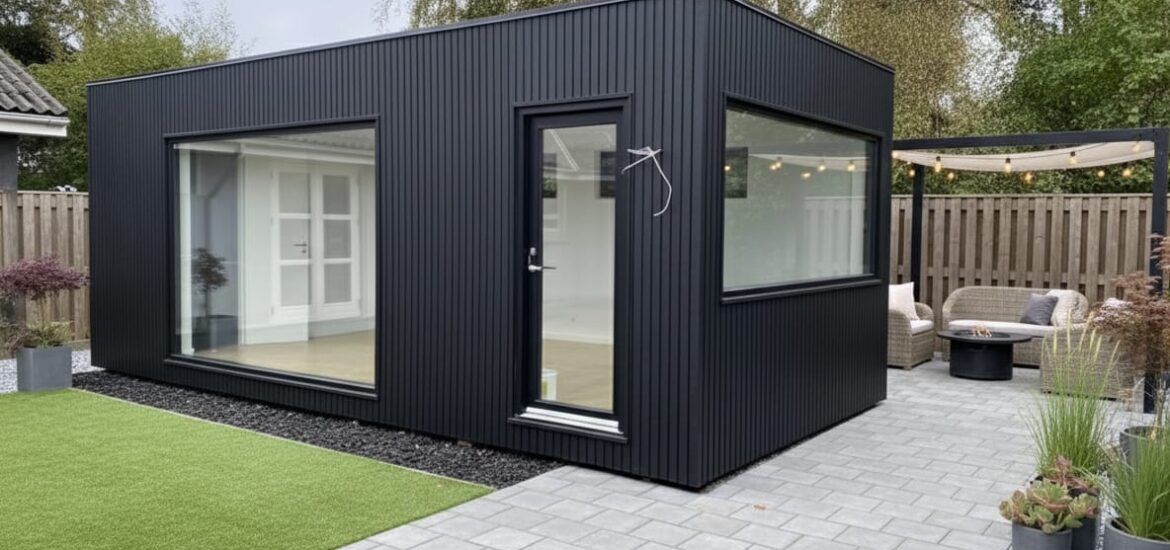
Modern charcoal grey garden room with large floor-to-ceiling glass sliding doors and wood cladding.

Engineering for the Canadian Climate

Engineering Year-Round Comfort: Why Professional Installation Matters, Canadian climate

Why Professional Garden Room Installers Are Essential for Canadian Winters
A garden house is only as good as its engineering. In Canada, year-round usability depends on insulation quality, vapor barriers, and protection against thermal bridging. Ela E. Canadian climate

Garden Haus garden room installers use premium materials and proven construction methods to ensure your garden office remains warm in winter and cool in summer—without compromise. Canadian climate

Comparing a Standard Garden Shed Office to a High-Spec Garden Room
Unlike basic garden shed offices, Garden Haus structures are engineered as true garden homes. Every project is overseen by our licensed lead architect (Ela E.), ensuring code-compliant, long-lasting builds.

We offer affordable garden rooms that meet high performance standards, with special offers designed to make professional construction accessible. Canadian climate

Engineering Year-Round Comfort: Why Professional Installation Matters : Why Professional Garden Room Installers are Essential for Canadian Winters : Comparing a Standard Garden Shed Office to a High-Spec Garden Room Description: Many assume that a garden house is simply a rebranded garden shed office, but the engineering behind a Garden Haus (www.gardenhaus.ca
) build is vastly different. To create a comfortable garden homeor backyard office, one must consider high-grade insulation and thermal bridging. Our garden room installers use premium materials to ensure your garden office remains a sanctuary during the deepest freezes. As a specialized garden room company, we offer garden offices with installation led by our “licensed lead architect” (Ela E.
). We understand that budget is a factor, which is why we offer affordable garden rooms that maintain these high standards. If you are searching for an affordable garden room that doesn’t compromise on quality, our garden room special offers at www.gardenhaus.ca
 provide the perfect entry point. From a functional garden office to a cozy garden room, we ensure your space is livable 365 days a year.

Custom backyard studio designed for work, creativity, or relaxation, blending seamlessly with the garden

Creating a Backyard Studio: Inspiration and Design Tips

Creating a Backyard Studio: Inspiration and Design Tips

A backyard studio is a fantastic way to expand your living space and create a personal retreat right in your own garden. Whether you want a home office, creative space, gym, or yoga studio, a backyard studio can be customized to suit your unique needs and preferences. In this post, we’ll explore the key considerations and design tips to help you build your perfect backyard studio.

Why Build a Backyard Studio?

Building a backyard studio offers numerous benefits. It gives you the flexibility to design a dedicated space for work, hobbies, or relaxation, all while remaining separate from the main living areas of your home. This creates a sense of privacy, focus, and tranquility, making it easier to work, create, or unwind. Additionally, a backyard studio is often more cost-effective than traditional home renovations and can add value to your property.

Key Design Tips for Your Backyard Studio

1. Consider Functionality and Purpose

Before you start designing your backyard studio, think about its primary purpose. Are you building a home office, a personal gym, or a creative space? Understanding how you plan to use the space will guide your design choices, such as layout, lighting, and storage solutions.

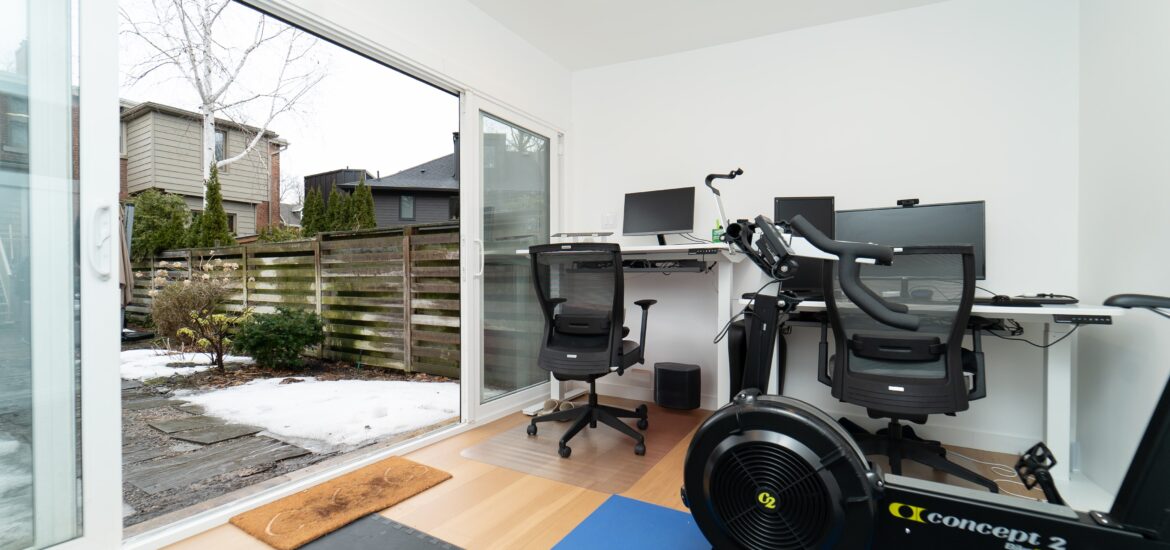
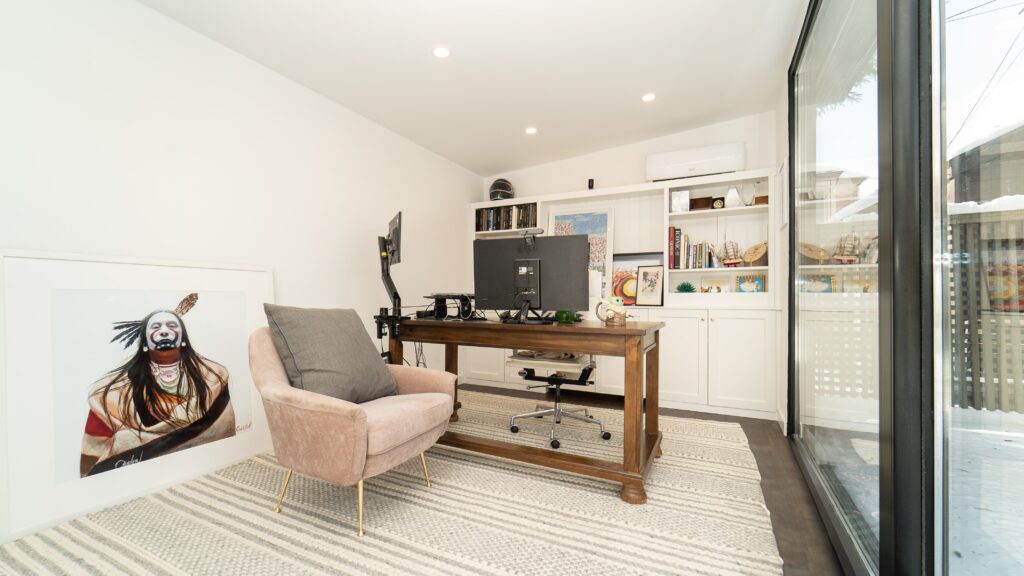
  • Home Office: Include enough space for a desk, ergonomic chair, storage, and a comfortable seating area. Ensure there is plenty of natural light, as this will help improve focus and reduce eye strain.
  • Art or Music Studio: Soundproofing will be essential if you plan on using your studio for music production or creating artwork. Consider adding acoustic panels or thick curtains to absorb sound.
  • Yoga or Gym Studio: Make sure to include an open, spacious layout with storage for equipment. Choose durable, easy-to-clean flooring such as vinyl or rubber.

2. Maximize Natural Light

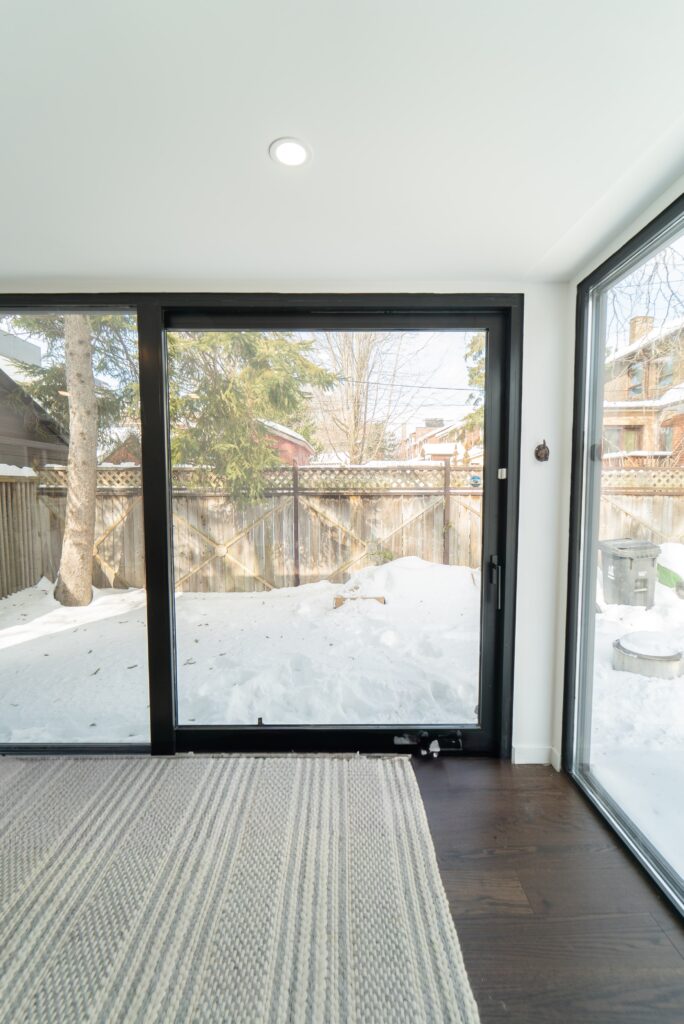
One of the biggest advantages of a backyard studio is the opportunity to enjoy natural light. Large windows or even glass doors can connect your studio to the garden, creating a bright, airy environment. Natural light has been proven to improve mood and productivity, so aim to let as much light into your studio as possible.

If privacy is a concern, consider adding frosted windows or using blinds that allow light in while keeping the interior private. Skylights are another great way to increase natural light without sacrificing privacy.

3. Create an Efficient Layout

A backyard studio should feel spacious and functional. Design your space with an efficient layout in mind, prioritizing the flow of movement. Consider the location of furniture, storage solutions, and any additional features like a kitchenette or bathroom. A well-organized layout will help you stay productive and make the most of your limited space.

4. Ensure Proper Insulation and Ventilation

If you plan on using your backyard studio year-round, proper insulation is key. Insulation will help maintain a comfortable temperature throughout the year, keeping the studio cool in summer and warm in winter. Choose eco-friendly insulation materials to improve energy efficiency.

Ventilation is just as important, especially if your studio will be used for physical activities or as a creative space. Install windows that can be opened for airflow, or consider adding a ceiling fan or air conditioning unit to regulate the temperature.

5. Choose Durable and Low-Maintenance Materials

Since your backyard studio will be exposed to the elements, choose materials that can withstand the weather while requiring minimal maintenance. High-quality wood, steel, or composite materials are great options for both the interior and exterior of your studio. For flooring, consider using durable options such as hardwood, bamboo, or vinyl that are easy to clean and maintain.

6. Make It Cozy and Personal

Your backyard studio should reflect your personal style. Add unique decor elements like cozy furniture, artwork, or plants to make the space inviting and inspiring. Use colors and textures that promote a sense of calm and creativity. Personalizing your studio will make it feel like your own private sanctuary.

7. Create a Seamless Connection with Your Garden

A backyard studio should feel like an extension of your garden. Incorporate elements of nature by adding plants, a small garden path, or even a deck outside the studio. This will not only improve the aesthetic but also create a relaxing atmosphere. Sliding glass doors or a large window opening up to the garden will give you the perfect view of your outdoor space.

Budgeting for Your Backyard Studio

Before you dive into designing your backyard studio, it’s important to set a budget. The cost will vary depending on the size, materials, and features you choose. A smaller, simple design may be relatively affordable, while larger, more elaborate studios with added features like plumbing, electricity, and heating will be more costly.

When budgeting, be sure to include the cost of permits (if applicable), foundation work, and landscaping. While a backyard studio is an investment, it can also significantly increase the value of your property, making it a wise financial decision in the long run.

Conclusion

A backyard studio is a perfect way to add functional space to your property without the need for extensive home renovations. By carefully planning the design and layout, maximizing natural light, and ensuring comfort and privacy, you can create a personalized sanctuary right in your own garden. Whether it’s for work, creativity, or relaxation, your backyard studio can transform your outdoor space and improve your lifestyle.

Ready to create your dream backyard studio? Visit Garden Haus to explore a wide range of customizable garden rooms, perfect for any purpose.