Tag Archives: bespoke garden rooms

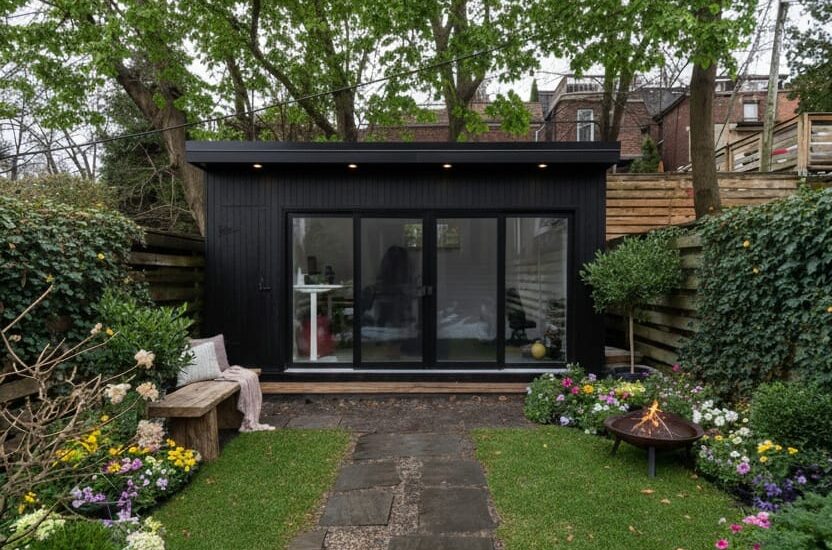
Modern backyard garden rooms with black corrugated metal siding

Garden Rooms: The Smart Way to Add Space Without Moving

Modern Garden Rooms Built for Work, Wellness & Year-Round Living

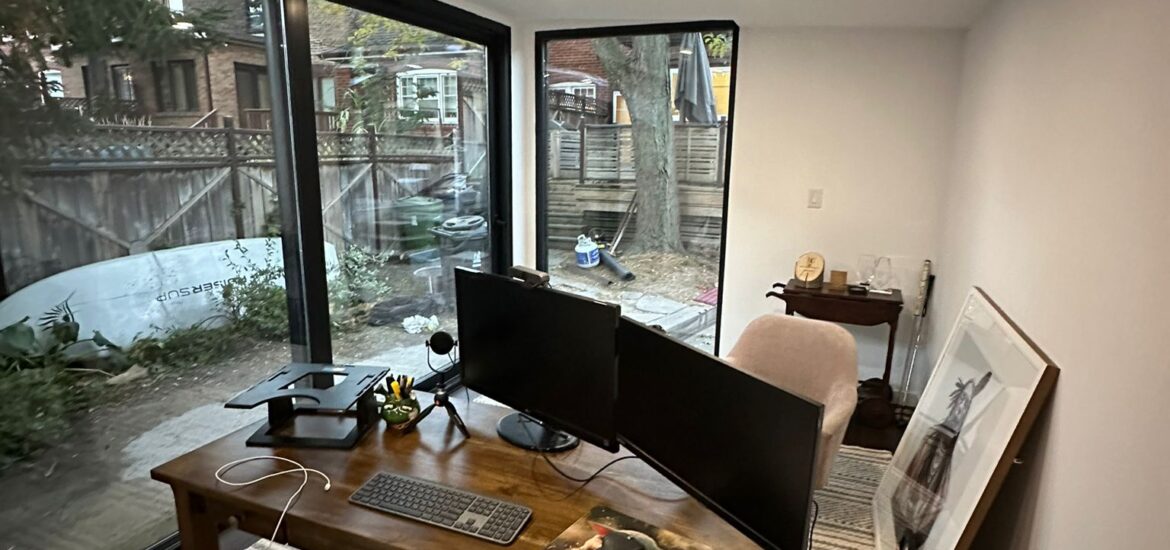
A garden rooms is no longer just a trend — it’s one of the smartest ways to expand your living space without the cost, disruption, or permits of a full home addition. Whether you need a backyard officegarden studiogym, or guest suite, a professionally built garden room delivers flexibility, comfort, and long-term value.

At its core, a garden room is a fully insulated, standalone structure built in your backyard — designed to function like an extension of your home, while remaining completely separate.


Why Garden Rooms Are in High Demand in Canada

With remote work, rising home prices, and limited indoor space, homeowners across Canada are turning to custom garden rooms as a practical solution.

Key benefits include:

  • No major renovation inside your home
  • Faster build timelines than traditional additions
  • Year-round usability with proper insulation
  • Increased property value
  • Dedicated space for focus, creativity, or relaxation

Unlike prefabricated sheds, a bespoke garden room is designed for real daily use — comfortable in winter, cool in summer, and tailored to your lifestyle.


Popular Uses for Garden Rooms

One of the biggest advantages of a garden room is its versatility.

Most common uses include:

  • Backyard office or remote work studio
  • Garden gym or wellness room
  • Art studio or creative space
  • Guest room or teen retreat
  • Quiet reading lounge or music room

Because garden rooms are custom-built, the interior layout, windows, finishes, and electrical setup can be designed specifically for how you plan to use the space.


Do Garden Rooms Require Permits?

In many municipalities, garden rooms up to a certain size (often around 160 sq ft) can be built as accessory structures without permits. Larger units or those with plumbing may require approvals.

That’s why working with an experienced garden room builder is essential — they understand local bylaws, setbacks, and construction standards, ensuring your project is done properly from day one.


Are Garden Rooms a Good Investment?

Yes — garden rooms are considered one of the highest-ROI home improvements today.

They:

  • Add functional square footage
  • Appeal strongly to future buyers
  • Support rental or work-from-home income potential
  • Cost significantly less than home additions

In many cases, a garden room pays for itself through increased productivity, rental income, or property value.


Custom Garden Rooms vs Prefabricated Units

While prefab units may seem cheaper upfront, they often fall short in insulation, durability, and design flexibility.

custom-built garden room offers:

  • Better materials and structural quality
  • Proper foundation and insulation
  • Tailored design for your yard
  • Long-term durability in Canadian climates

The result is a space that truly feels like part of your home — not a temporary structure.


Ready to Build Your Garden Room?

If you’re looking to add space without moving, a garden room is the modern solution. From design to construction, choosing the right builder ensures your investment delivers comfort, function, and lasting value.

A well-designed garden room doesn’t just add space — it changes how you live.


SEO Keywords Naturally Included

garden rooms, custom garden rooms, backyard office, garden studio, garden room Canada, garden room builder, modern garden rooms, backyard room, garden office

Backyard Offices, Garden Studios, Costs, Design & Investment Value

An insulated luxury garden room during winter with warm yellow light glowing from inside against the dusk.

Backyard Offices, Garden Studios, Costs, Design & Investment Value

The Complete Guide to Garden Houses & Offices: Design, Cost, and Investment Value garden studiosIn the modern era of remote work and flexible living, the traditional backyard is undergoing a revolution. A garden house is no longer just a shed for lawnmowers; it has become a strategic extension of the home.Whether you call it a garden room, a backyard office, or a garden studios, these detached structures offer a seamless blend of luxury and functionality. Here is everything you need to know about transforming your outdoor space into a year-round living or working environment.


What Exactly is a Garden House?A garden house (often referred to as a garden haus or garden home) is a detached, high-quality structure built within your property lines. Unlike a temporary shed, these are designed with garden architecture in mind, often featuring full insulation, electricity, and stylish finishes that mirror a primary residence.Commonly used as a garden home office or backyard studio, these buildings allow homeowners to separate their professional and personal lives without a stressful commute.


Are Garden Rooms a Good Investment?One of the most frequent questions homeowners ask is: “Are garden rooms worth the money?” The short answer is yes.Investing in a luxury garden office or a bespoke garden room offers several financial and lifestyle advantages:
  • Property Value: High-quality garden rooms can add significant market value to your home.Cost-Effective Space: It is often significantly cheaper than a traditional brick-and-mortar home extension.Work-Life Balance: Creating a dedicated own office space reduces distractions and increases productivity.Versatility: These structures can easily transition from an outdoor office to a guest suite, yoga studio, or hobby room.


  • Design Ideas: Working Under 200 Square FeetIf you are looking for backyard office ideas under 200 square feet, you are in luck. This “sweet spot” size often allows homeowners to build without the hassle of complex permits (depending on local bylaws) while still providing ample room for a professional setup.Popular Small-Scale Options:

    Insulated Mini Barn Studio: For a rustic, cozy aesthetic.Modern Prefab Garden Studio: For a sleek, minimalist look.Hand-Built Garden Rooms: For a structure tailored specifically to a tricky corner of your yard.


    Understanding the Cost: A Realistic BreakdownWhen researching the average cost of a garden office, prices vary based on materials, size, and whether you choose a prefab kit or a custom build.FeatureStandard PrefabBespoke/Custom LuxuryFoundationSimple Concrete/PadsReinforced Slab/Screw PilesInsulationBasic/SeasonalHigh-Performance (Year-Round)CustomizationLimitedFully TailoredDurability10–15 Years30+ YearsWhile it may be tempting to ask, “Is it cheaper to build your own?”, many homeowners find that hiring professional garden room installers saves money in the long run by ensuring the structure is energy-efficient and compliant with local building codes.


    Built for All SeasonsModern insulated garden rooms are designed to handle extreme climates. Whether you are seeking outdoor office solutions for sunny climates with high-UV glazing or a garden room for Canadian winterswith premium thermal wrapping, these spaces are functional 365 days a year.By incorporating proper HVAC (Heating, Ventilation, and Air Conditioning), your garden office remains a comfortable sanctuary regardless of the weather outside.


    Choosing the Right PartnerThe difference between a “shed” and a luxury garden house lies in the execution. Working with a dedicated backyard studio company or an experienced garden room carpenter ensures:
  • Structural Integrity: Built to withstand wind and snow loads.Code Compliance: Navigating the legalities of “accessory dwelling units.”Aesthetic Integration: Ensuring the garden house design complements your existing home.

  • Final ThoughtsFrom a custom backyard office to a quiet garden studio, adding a room to your garden is one of the smartest upgrades you can make today. It’s an investment in your property, your productivity, and your peace of mind.


    Compact garden room under 160 sq ft built by GardenHaus without permit requirements

    Is it more practical to build a metal, composite or wooden garden shed?

    When deciding whether to build a metal, composite, or wooden garden shed, several factors come into play, such as durability, cost, aesthetics, and maintenance. Here’s a breakdown of each material to help determine which is the most practical choice for your garden shed. Modern Garden Rooms by Garden Haus

    1. Metal Garden Sheds

    Pros:

    • Durability: Metal sheds, particularly those made from galvanized steel, are highly resistant to weather conditions such as rain, snow, and strong winds. They’re less likely to rot or be damaged by pests, offering longevity.
    • Low Maintenance: Metal sheds require minimal maintenance, as they don’t need painting or sealing like wood. Their sturdiness and resistance to termites and other pests make them a low-maintenance option.
    • Security: Metal is tough and provides a higher level of security, as it’s difficult to break into compared to wood or composite sheds.

    Cons:

    • Insulation: Metal can heat up and become very cold, offering poor insulation. If you need a shed that can store sensitive items or be used year-round, you may need to add insulation or choose a different material.
    • Rust: Over time, metal can rust, especially if exposed to moisture. However, using high-quality galvanized steel can reduce this risk.

    2. Composite Garden Sheds

    Pros:

    • Durability: Composite sheds, made from a mix of wood fibers and plastic, are highly durable. They don’t warp, crack, or rot like wood, and they are resistant to pests and mold.
    • Low Maintenance: Composite materials require very little upkeep—no painting or sealing is needed, and they are resistant to fading or staining.
    • Aesthetics: Composite sheds offer a more modern, sleek appearance and are available in a variety of colors and textures to suit your garden style.

    Cons:

    • Cost: Composite sheds can be more expensive than wood or metal options, making them less cost-effective for some budgets.
    • Weight: They can be heavier than metal sheds, which might make construction more challenging, though it also adds to their stability.

    3. Wooden Garden Sheds

    Pros:

    • Aesthetic Appeal: Wood offers a natural, traditional look that blends beautifully with gardens. Many people choose wooden sheds for their aesthetic value, and they can be customized and painted to match the style of your home and garden.
    • Insulation: Wood provides natural insulation, keeping the temperature inside your shed more stable throughout the year, which can be important if you plan to store temperature-sensitive items.
    • Customization: Wooden sheds are often easier to modify and can be designed in various sizes and styles to meet your needs.

    Cons:

    • Maintenance: Wooden sheds require regular maintenance, such as staining or painting, to protect against weather damage, rot, and pests.
    • Vulnerability: Wood is prone to damage from pests like termites, and prolonged exposure to moisture can lead to rot and warping. Without proper maintenance, wooden sheds can deteriorate over time.

    Conclusion

    The most practical choice depends on your specific needs:

    • Metal sheds are great for durability and security with minimal maintenance.
    • Composite sheds offer a balance of durability and aesthetics with lower upkeep.
    • Wooden sheds are perfect for those who want a traditional, customizable design and don’t mind regular maintenance.

    Consider your climate, budget, and maintenance preferences before deciding, as each material offers unique benefits for different purposes.

    A beautifully designed garden room with a sloped roof, large windows, and a wooden deck, surrounded by lush greenery.

    Custom Garden Rooms: Turn-Key, Affordable, and Built to Last

    Building a Garden Room That Stands the Test of Time

    A garden room is more than just an outdoor structure—it’s an investment in your property and lifestyle. Whether you’re using it as a home office, guest house, or personal retreat, durability is key to ensuring your garden room remains functional and beautiful for years to come. In this guide, we’ll explore essential factors to consider when building a garden room designed to last. Modern Garden Rooms by Garden Haus

    1. Choosing Quality Materials

    The materials you select will play a crucial role in the longevity of your garden room. Here are some of the best options:

    • Pressure-Treated Wood: Resistant to rot, decay, and insect infestations, making it ideal for structural framing.
    • Cedar or Redwood: Naturally weather-resistant, these woods offer excellent durability and aesthetics.
    • Metal Roofing: Provides superior protection against rain, snow, and extreme temperatures, lasting 40-70 years.
    • Composite Siding or Cladding: Offers moisture resistance, minimal maintenance, and long-term durability compared to traditional wood siding.
    • Concrete or Paver Foundation: Prevents moisture buildup, ensuring a stable base for decades.

    2. Proper Foundation and Drainage

    A solid foundation is essential for a lasting garden room. A well-constructed base prevents structural shifting, wood rot, and water damage.

    • Concrete Slab or Footings: Ideal for permanent garden rooms, offering maximum stability.
    • Gravel Base with Pavers: Suitable for smaller or moveable garden rooms, improving drainage and preventing moisture damage.
    • Drainage Planning: Ensure proper grading around the structure to direct water away from the foundation.

    3. Weatherproofing and Insulation

    To withstand various climates, your garden room should be weatherproof and insulated properly.

    • Sealed Windows and Doors: Double-glazed windows and insulated doors help maintain temperature control.
    • Waterproof Membranes: Installing a vapor barrier beneath the siding and roofing prevents moisture penetration.
    • Insulation: Consider rigid foam or spray foam insulation to enhance energy efficiency and comfort year-round.

    4. Roof Design for Longevity

    The roof is your garden room’s first line of defense against the elements. A strong, well-designed roof extends the lifespan of your structure.

    • Sloped or Gabled Roof: Promotes proper water runoff, reducing the risk of leaks.
    • Metal or Asphalt Shingles: Durable options that can last decades with minimal maintenance.
    • Overhangs and Gutters: Prevents water from dripping onto the walls and foundation, reducing wear and tear.

    5. Regular Maintenance for Longevity

    Even the best-built garden room requires occasional upkeep. Here are some simple maintenance tips:

    • Inspect Annually: Check for leaks, cracks, or signs of wood rot.
    • Repaint or Stain Wood Surfaces: Protects against weathering and UV damage.
    • Clean Gutters and Downspouts: Prevents water buildup and structural damage.
    • Treat for Pests: Apply natural or chemical treatments to deter insects and rodents.

    6. Smart Design Choices for Durability

    Designing your garden room with longevity in mind ensures it remains a valuable asset for years.

    • Elevated Floors: Helps prevent moisture damage and improves airflow.
    • Ventilation: Proper airflow reduces condensation, mold, and wood deterioration.
    • High-Quality Fasteners: Use stainless steel or galvanized screws to prevent rust and corrosion.
    • Treated Wood or Composite Decking: If adding a porch or deck, opt for rot-resistant materials.

    Conclusion: A Garden Room Built to Last

    Building a garden room that lasts requires careful planning, high-quality materials, and proper maintenance. By investing in durability from the start, you can enjoy a beautiful, functional outdoor space for decades. Whether you’re creating a workspace, guesthouse, or a serene retreat, a well-built garden room will continue to add value to your home and lifestyle.

    If you’re considering building a long-lasting garden room, our expert team can help! Contact us today to start designing your perfect outdoor space.