
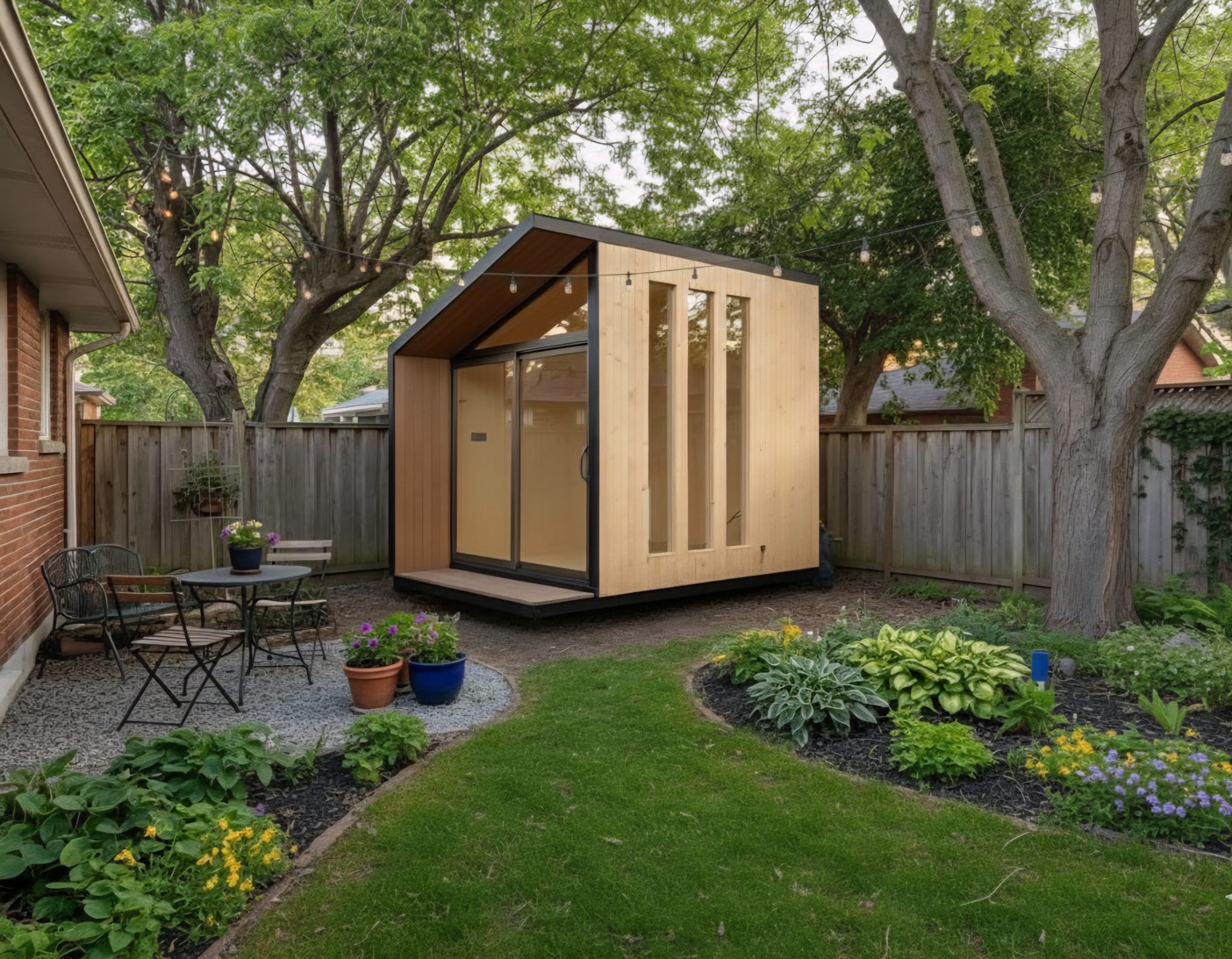
Designing the “Third Space”: Reclaiming Harmony with a Garden Home
In contemporary architecture and interior design, the concept of the “third space” has gained significant prominence. It refers to an environment that exists beyond the traditional dichotomy of work and home, serving as a sanctuary for relaxation, socialization, and personal reflection. The integration of a garden within a residential setting embodies this idea, fostering a harmonious relationship between nature and human habitation. View our Garden Room Portfolio
The Significance of the Garden in Residential Design
A garden functions as an extension of the living space, offering a tranquil retreat amidst urban or suburban surroundings. It provides opportunities for outdoor activities, promotes mental well-being, and enhances aesthetic appeal. Incorporating natural elements into the home environment encourages mindfulness and a deeper connection with nature.
Principles for Creating a Harmonious Garden Home
- Balance and Symmetry: Achieving visual harmony through thoughtfully arranged plantings, pathways, and architectural features.
- Accessibility: Designing easy access points that seamlessly connect indoor and outdoor spaces.
- Privacy: Incorporating natural screens such as hedges or trees to create secluded areas within the garden.
- Sustainability: Utilizing eco-friendly materials and native plants to promote environmental responsibility.
Practical Strategies for Design Implementation
- Open Floor Plans: Facilitating unobstructed views of the garden from interior spaces to foster a sense of unity.
- Indoor-Outdoor Living Areas: Incorporating large windows, sliding doors, or verandas to blur the boundaries between inside and outside.
- Water Features: Adding ponds or fountains to introduce calming sounds and visual interest.
- Natural Materials: Using wood, stone, and other organic materials to reinforce the connection with nature.
Conclusion
Designing a garden home that embodies the “third space” requires deliberate planning and an appreciation for harmony between built structures and natural landscapes. Such environments not only enhance aesthetic appeal but also contribute significantly to overall well-being by creating serene retreats that nurture both body and mind. Through mindful integration of natural elements and thoughtful spatial arrangements, it is possible to reclaim harmony within one’s living environment.